
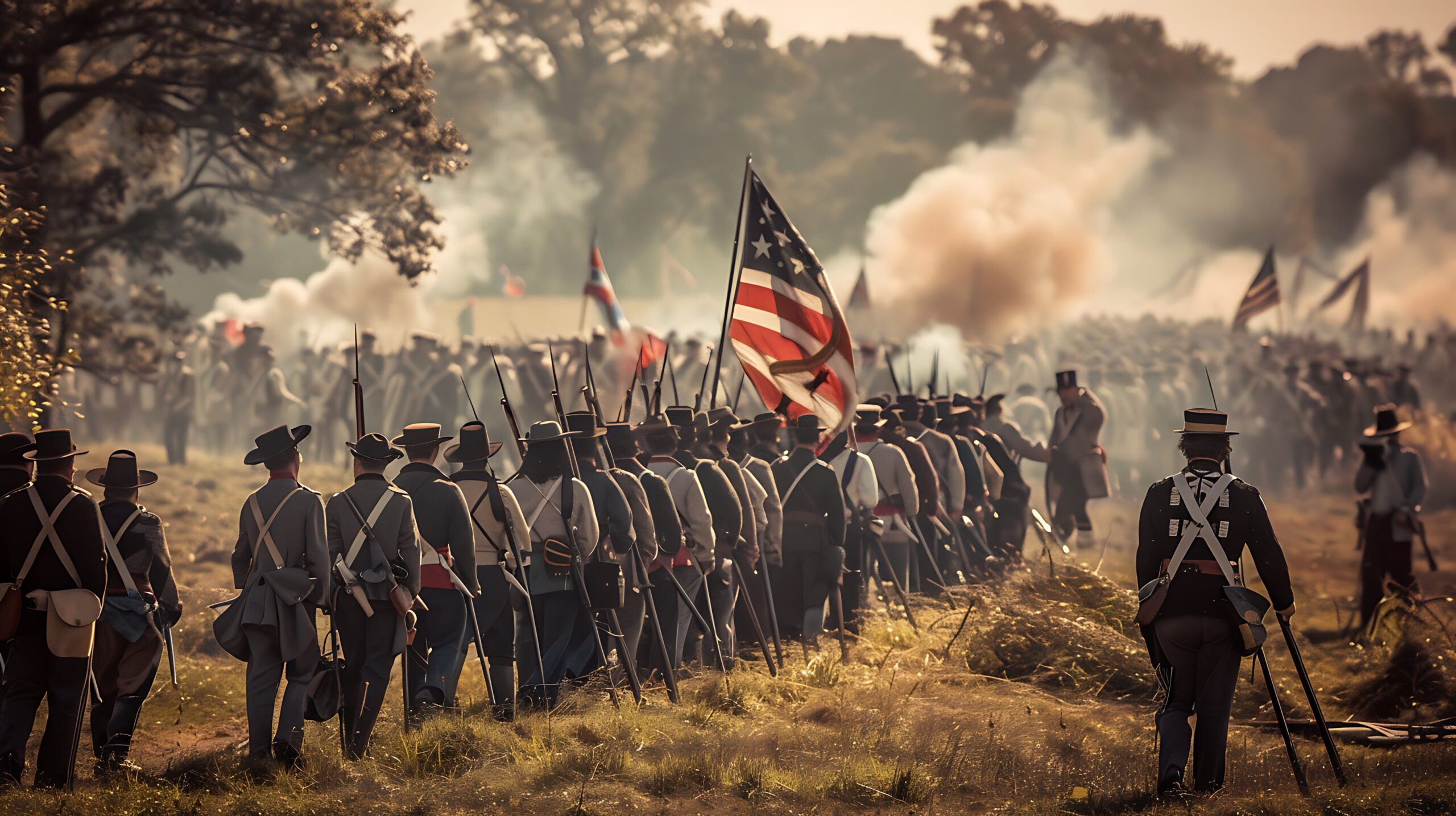
Historical fiction has the unique ability to transport readers into another era, allowing them to experience history through unforgettable characters and emotionally driven stories. While many novels focus on historical events, only a few succeed in making readers feel as though they are living through those moments themselves. Hollow’s End is one such novel. By blending authentic historical details, compelling storytelling, and a unique time-travel premise, it offers an immersive journey into one of America’s most defining periods—the American Civil War.
Rather than presenting history as a collection of dates and facts, Hollow’s End transforms it into a vivid, emotional experience. Readers witness the hardships, sacrifices, and moral dilemmas faced by people living during the Civil War while following a modern-day physician whose understanding of medicine and humanity is challenged in unexpected ways.
A Fresh Perspective on the American Civil War
The American Civil War has inspired countless books over the years, yet Hollow’s End approaches this historic conflict from a refreshingly original angle. Instead of following a traditional soldier’s journey, the story centers on Dr. Alex Newman, a modern physician who suddenly finds himself transported back to 1862.
This unexpected twist allows readers to compare two vastly different worlds. Dr. Newman carries with him the knowledge and ethics of modern medicine, only to confront the harsh realities of nineteenth-century battlefield hospitals. Through his eyes, readers gain a deeper appreciation of both historical medical practices and the unimaginable challenges faced by Civil War doctors.
The contrast between modern science and historical limitations creates tension throughout the novel, making every decision meaningful and every medical emergency emotionally gripping.
Bringing History to Life Through Authentic Detail
One of the greatest strengths of Hollow’s End is its commitment to historical authenticity. Every scene is carefully crafted to reflect the realities of the Civil War era, from military camps and makeshift hospitals to the daily struggles experienced by soldiers and civilians.
Instead of overwhelming readers with historical facts, the novel naturally incorporates real-world details into its storytelling. Readers encounter realistic descriptions of battlefield conditions, limited medical supplies, primitive surgical techniques, and the emotional burden carried by those trying to save lives under impossible circumstances.
This attention to detail allows the setting to feel believable and immersive, helping readers understand why the Civil War remains one of the most significant periods in American history.
The Human Cost of War
History is often remembered through battles and political events, but Hollow’s End reminds readers that every war is ultimately about people.
Throughout the novel, readers witness fear, courage, sacrifice, hope, and heartbreak from multiple perspectives. Soldiers struggle with impossible decisions, families face devastating losses, and medical professionals work tirelessly to save lives despite overwhelming odds.
By focusing on individual experiences rather than simply recounting historical events, the novel creates an emotional connection that makes the Civil War feel immediate and personal.
These deeply human moments transform history from something distant into something readers genuinely care about.
Medicine on the Front Lines
Perhaps one of the most fascinating aspects of Hollow’s End is its exploration of Civil War medicine.
As a modern doctor, Dr. Alex Newman understands advanced medical practices that simply do not exist in 1862. However, possessing knowledge is very different from having access to modern equipment, medications, or sterile environments.
The novel explores difficult questions:
- How would a modern physician adapt to nineteenth-century medical limitations?
- What happens when life-saving knowledge cannot easily be applied?
- How do ethics change when resources are scarce?
These questions create suspense while highlighting the incredible progress medicine has made over the last century and a half.
Readers interested in both history and healthcare will find this aspect of the story especially compelling.
A Time Travel Story with Real Purpose
Time travel often serves as an exciting plot device, but in Hollow’s End, it becomes something much deeper.
Rather than using time travel simply for adventure, the novel uses it to explore how history shapes people and how individuals, in turn, influence history.
Dr. Newman constantly struggles with questions that have no easy answers. Should he interfere with historical events? Can changing one life alter the future? Is preserving history more important than saving someone standing right in front of him?
These moral dilemmas keep readers engaged while encouraging them to think about the relationship between past and present.
Strong Character Development Makes History Personal
Great historical fiction depends on memorable characters, and Hollow’s End succeeds because its characters feel authentic and emotionally complex.
Dr. Alex Newman evolves throughout the novel as he faces increasingly difficult choices. His confidence is repeatedly tested as he navigates unfamiliar customs, dangerous situations, and heartbreaking losses.
Supporting characters are equally compelling, representing different backgrounds, beliefs, and experiences during the Civil War.
Rather than existing simply to move the plot forward, each character contributes to the novel’s emotional depth and historical realism.
The Emotional Reality of the Civil War
The American Civil War was not simply a military conflict—it was a deeply emotional and personal tragedy that affected millions of lives.
Hollow’s End captures this emotional reality exceptionally well.
Readers experience moments of hope alongside devastating loss. Acts of extraordinary courage stand beside heartbreaking sacrifices. Friendships develop in unlikely places, while impossible decisions force characters to confront their deepest values.
These emotional layers make the novel much more than historical fiction. It becomes a story about resilience, compassion, and humanity itself.
Why Historical Fiction Continues to Matter
Historical fiction remains popular because it helps readers connect with the past in ways textbooks often cannot.
Books like Hollow’s End encourage readers to ask meaningful questions about history, society, morality, and human nature.
Instead of memorizing historical facts, readers experience history through living, breathing characters whose struggles feel remarkably real.
This emotional connection often inspires readers to learn even more about the historical events that shaped the story.
Who Should Read Hollow’s End?
This novel is an excellent choice for readers who enjoy:
- American Civil War historical fiction
- Time travel novels
- Medical fiction
- Character-driven historical stories
- Historical adventures
- Books that combine history with emotional storytelling
Whether you’re a lifelong history enthusiast or someone discovering historical fiction for the first time, Hollow’s End offers an engaging and unforgettable reading experience.
Final Thoughts
Hollow’s End demonstrates how powerful historical fiction can be when it combines meticulous research with compelling storytelling. By placing a modern physician in the heart of the American Civil War, the novel creates a unique perspective that highlights both the progress of modern medicine and the enduring strength of the human spirit.
Its vivid historical setting, emotionally rich characters, and thought-provoking themes make it much more than a time travel novel. It is a story about courage, sacrifice, hope, and the lasting impact of history on every generation.
For readers seeking a novel that entertains while bringing one of America’s most important historical periods vividly to life, Hollow’s End is a remarkable choice. It reminds us that history is not just about battles and dates—it is about the people whose lives were forever changed by the events they lived through.